
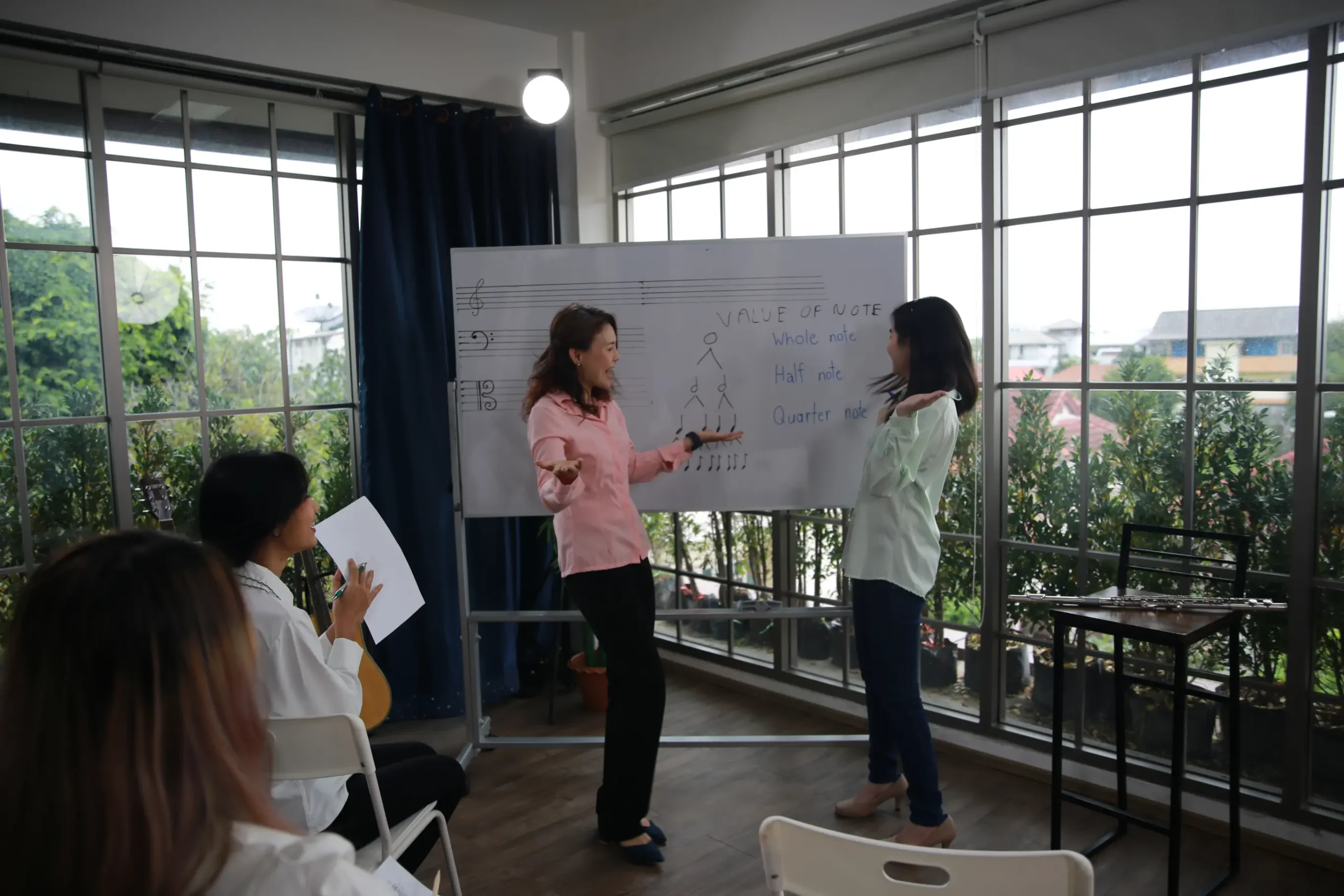
Quick Summary:
● HRDC Training Malaysia enables businesses to upskill employees efficiently while benefiting from claimable training initiatives that support workforce development and long-term organisational growth.
● HRDC-approved programmes help companies improve employee productivity, strengthen job performance, and equip teams with practical skills needed to meet evolving industry demands.
● Investing in structured training supports talent retention, employee engagement, and career progression, creating a more competitive and capable workforce.
● HRDC training covers a wide range of areas, including leadership, digital skills, compliance, communication, technical expertise, and operational efficiency for businesses across Malaysia.
● As workplace requirements continue to evolve in 2026, HRDC-backed learning initiatives provide organisations with a cost-effective way to future-proof their workforce and remain competitive.
Employee development has become one of the biggest priorities for Malaysian businesses in 2026. With rapid digital transformation, artificial intelligence, automation, and evolving workplace expectations, companies are under pressure to build a skilled, adaptable, and future-ready workforce. This is where HRDC Training Malaysia plays a crucial role. In this blog, we will discuss why training has become a business necessity, the latest employee development trends in Malaysia, the benefits of structured workforce learning, the growing demand for Train the Trainer Malaysia programmes, and how businesses can maximise workforce performance through professional training solutions.
Why Employee Development Matters More Than Ever in 2026
The Malaysian workforce is experiencing significant changes. Businesses across industries are investing in employee learning and development to remain competitive and meet the demands of a fast-changing market.
Modern employees require more than technical expertise. They need critical thinking skills, leadership abilities, digital competencies, communication skills, and problem-solving capabilities to succeed in today’s workplace.
Companies that invest in employee development often experience:
- Higher employee retention rates
- Increased productivity
- Better workplace engagement
- Improved customer satisfaction
- Stronger leadership succession planning
- Enhanced organisational performance
As a result, HRDC Training Malaysia has become a valuable solution for organisations looking to strengthen their workforce and improve business outcomes.
The Growing Demand for Workforce Upskilling in Malaysia
Upskilling and reskilling have become major priorities for employers. New technologies are changing how businesses operate, creating demand for employees who can adapt quickly to new systems and processes.
According to workforce development trends, organisations are focusing on:
- Digital skills training
- Leadership development programmes
- Communication and soft skills training
- Workplace productivity improvement
- Compliance and regulatory training
- Technical skills enhancement
Businesses that fail to invest in employee development risk falling behind competitors that continuously improve workforce capabilities.
How HRDC Training Malaysia Supports Business Growth
Training is no longer viewed as a cost. It is now considered an investment that contributes directly to organisational success.
Professional training programmes help businesses achieve several important objectives.
Improved Employee Performance
Employees gain practical skills that can be applied immediately in their roles. This leads to better decision-making, increased efficiency, and stronger job performance.
Stronger Employee Retention
Employees are more likely to remain with organisations that invest in their professional growth. Learning opportunities contribute to job satisfaction and career advancement.
Enhanced Workplace Productivity
A skilled workforce performs tasks more effectively, reduces errors, and contributes to smoother operations across departments.
Better Leadership Development
Future leaders require structured development programmes to build confidence, strategic thinking abilities, and people management skills.
Key Employee Development Trends in Malaysia for 2026
1. AI and Digital Transformation Training
Artificial intelligence is becoming part of everyday business operations. Organisations are investing in AI literacy, digital skills, and technology adoption training to prepare employees for future workplace demands.
2. Hybrid Learning Programmes
Companies are increasingly adopting blended learning models that combine classroom sessions with virtual learning experiences.
This approach provides flexibility while maintaining effective knowledge transfer.
3. Soft Skills Development
Communication, teamwork, emotional intelligence, and leadership skills remain highly sought after by employers.
These competencies are essential for managing workplace relationships and improving organisational culture.
4. Continuous Learning Culture
Rather than conducting one-time workshops, businesses are creating ongoing learning environments that encourage employees to continuously improve their skills.
Why Businesses Choose Professional Training Providers
Developing internal training programmes can be time-consuming and resource-intensive. Many organisations choose experienced providers to ensure high-quality learning outcomes.
Professional training providers offer:
- Industry-relevant training content
- Certified trainers
- Practical learning methodologies
- Updated course materials
- Measurable performance outcomes
For organisations seeking reliable workforce development solutions, exploring professional training services through https://hrdc.asia/ can help identify programmes that align with both business goals and employee development needs.
The Importance of Train the Trainer Malaysia Programmes
One of the fastest-growing workforce development strategies is building internal training capabilities.
Train the Trainer Malaysia programmes help organisations develop employees who can effectively transfer knowledge, coach colleagues, and deliver structured training sessions.
Benefits include:
- Consistent internal knowledge sharing
- Reduced reliance on external trainers
- Better training scalability
- Improved learning retention
- Long-term organisational capability development
Companies that invest in internal trainers create sustainable learning ecosystems that support continuous workforce growth.
Why Employers Are Paying Attention to HRD Corp – 5 Days Training Programmes
Many Malaysian organisations are looking for training solutions that deliver meaningful results without causing major operational disruptions.
HRD Corp – 5 days training programmes have gained popularity because they provide focused and practical learning experiences within a manageable timeframe.
These programmes help employees:
- Build job-specific competencies
- Improve workplace performance
- Develop leadership skills
- Enhance communication abilities
- Strengthen professional knowledge
The structured format allows organisations to balance workforce development with business continuity.
Benefits of HRDC Claimable Training Programmes
Many employers actively seek HRDC claimable training, corporate training Malaysia, and employee skills development Malaysia programmes because they provide opportunities to enhance workforce capabilities while supporting organisational growth objectives.
Some common benefits include:
Faster Skills Development
Employees acquire practical knowledge that can be implemented immediately in the workplace.
Increased Organisational Competitiveness
A highly skilled workforce enables businesses to respond quickly to industry changes and customer demands.
Better Talent Management
Training programmes help organisations identify high-potential employees and prepare them for future leadership roles.
Stronger Company Culture
Learning opportunities create a positive workplace environment where employees feel valued and supported.
Building a Future-Ready Workforce in Malaysia
Successful organisations understand that employee development should be aligned with long-term business objectives.
To build a future-ready workforce, companies should:
Conduct Skills Gap Assessments
We need to find out where our employees need help and training. This will help our employees do a job. We have to look at the areas where the employees are struggling and give them the support they need. Our employees will do a job if we give them the right training and support. We are talking about our employees and the training they need.
Create Structured Learning Pathways
Develop clear training roadmaps that guide employee growth and progression.
Measure Training Effectiveness
Track productivity improvements, employee engagement levels, and performance outcomes.
Promote Continuous Learning
We should tell our employees that learning is something they should always be doing not something they do once. This way the employees will think of learning as something that never really ends it just keeps going on and on. We want the employees to see that learning is a part of their job. They should always be trying to learn new things. The employees should think of learning as a process that they are always going through not something they do one time and then forget about it.
The Future of Workplace Training in Malaysia
The future of workforce development will focus on personalised learning, digital transformation, leadership excellence, and continuous skills enhancement.
As businesses continue adapting to changing market conditions, training will remain one of the most effective strategies for improving workforce performance and achieving sustainable growth.
Organisations that invest in employee development today will be better equipped to face tomorrow’s challenges while maintaining a competitive advantage in their industries.
Conclusion
Employee development is no longer optional for businesses that want to thrive in today’s competitive environment. Investing in HRDC Training Malaysia helps organisations build stronger teams, improve employee performance, develop future leaders, and create a culture of continuous learning.
Whether you are looking for HRDC claimable training, corporate training Malaysia, employee skills development Malaysia, or specialised learning programmes, professional workforce development solutions can help your organisation achieve its goals.
To explore available training programmes and workforce development solutions, visit https://hrdc.asia/. For personalised assistance and recommendations tailored to your organisation’s needs. Contact us.
Frequently Asked Questions
1. What is HRDC Training Malaysia?
HRDC Training Malaysia refers to approved training programmes that help employers develop workforce capabilities through structured learning opportunities while supporting employee growth, productivity improvement, and business performance enhancement.
2. Who can benefit from HRDC-approved training programmes?
Employers, managers, executives, technical staff, and operational employees can benefit from HRDC-approved training programmes designed to improve workplace competencies, leadership abilities, and industry-relevant professional skills.
3. Why is HRDC training important for employee development?
HRDC training helps employees gain new skills, improve performance, adapt to industry changes, increase confidence, and contribute more effectively to organisational goals and long-term business success.
4. What types of courses are available under HRDC training?
HRDC training programmes commonly include leadership development, communication skills, compliance training, digital transformation, customer service, technical skills, project management, and professional development courses.
5. How does HRDC training support business growth in 2026?
HRDC training helps organisations build skilled teams, improve productivity, address skill gaps, support innovation, enhance employee retention, and maintain competitiveness in a rapidly changing business environment.